
Book your skip hire or waste removal in a few simple clicks
Sustainable rubbish removal for both homes & businesses


Service areas
Explore your options across different regions


Bulky Waste Disposal in 3 Steps

Why Choose Wayst
Next Day Guarantee
Guarantee the next day if you book before 11 am
Rank No.1
Fully Compliant
Compliant to EA, CHAS, Safe Contractor and more
Regular Donations
Learn more about our charity work
Transparent Pricing
We do our best to be as transparent as we can
Trusted by


Which type of service is best for you?
Waste Recycling
Waste Disposal
Rubbish Removal
About Wayst
London’s most environmentally friendly waste clearance company, Wayst is a family run business that provides a reliable range of waste clearance services for both homes and businesses. Our business is about concern for our customers, our employees and the environment.
Our mission is to change an old-fashioned and unattractive market place into a proactive, professional and cleaner one that has customer service and the environment at the forefront of its values.
In 2020 Enviro consolidated the business to allow for its next growth phase, which is a partnership between Enviro Waste and DBV which has become Wayst. The Wayst platform has given Enviro more firepower to continuing our mission to transform the waste industry.
Read more about us.
As Featured on


Blog
Reduce, Reuse, Recycle this Christmas
Christmas is so close, we can already smell the excitement and mince pies in the air… However, whil...

Christmas Waste Statistics – Making Christmas ‘Green’
This week at Enviro Waste, we’ve uncovered some Christmas waste statistics, and they don’t make for...

What Can and Can’t You Recycle at Christmas?
It’s well and truly the season of excess, with mince pies all round and enough wrapping paper to cov...

30 Great Ways to Reduce your Office Waste
Waste is a hot topic at the moment with many of us concerned with the large amount of material being...
27 New Year’s Resolutions for Waste Reduction
2016 was the year of the plastic bag. 2017 waged war on microplastics. 2018 tackled the plastic stra...

Throwing an Eco-Friendly New Year’s Eve Party
The new year is just days away and already people are figuring out what they are going to wear, wher...
Enviro Waste’s Recycling Christmas Waste Guide
Christmas is less than a week away, and whilst that brings excitement, joy, and families together, i...
10 Winter Waste Management Tips from Enviro Waste
Welcome to the start of winter… December has finally arrived and with it comes cold weather, bare t...

The Best Office Practices for Digital Security
Just before the summer of 2018, the EU introduced the General Data Protection Regulation, better kno...
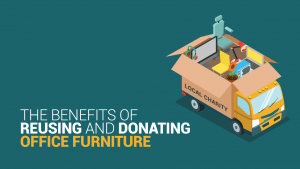
The Benefits of Reusing and Donating Office Furniture
Reuse is entering the mainstream. It’s almost popular culture. After the incredible efforts of ever...